Chicago Weather: Your Ultimate Guide To Understanding The Windy City's Climate - The Heatwave of 1995 was a devastating event that claimed the lives of over 700 people in Chicago. Temperatures soared above 100°F (38°C) for several days, and high humidity levels made the heat feel even more oppressive. This event underscored the importance of preparing for extreme heat and ensuring vulnerable populations have access to cooling centers and other resources. Efforts are underway to mitigate the effects of climate change in Chicago. The city has implemented numerous initiatives to reduce greenhouse gas emissions, improve energy efficiency, and enhance resilience to extreme weather events. By addressing these challenges proactively, Chicago aims to ensure a sustainable and livable environment for future generations.
The Heatwave of 1995 was a devastating event that claimed the lives of over 700 people in Chicago. Temperatures soared above 100°F (38°C) for several days, and high humidity levels made the heat feel even more oppressive. This event underscored the importance of preparing for extreme heat and ensuring vulnerable populations have access to cooling centers and other resources.
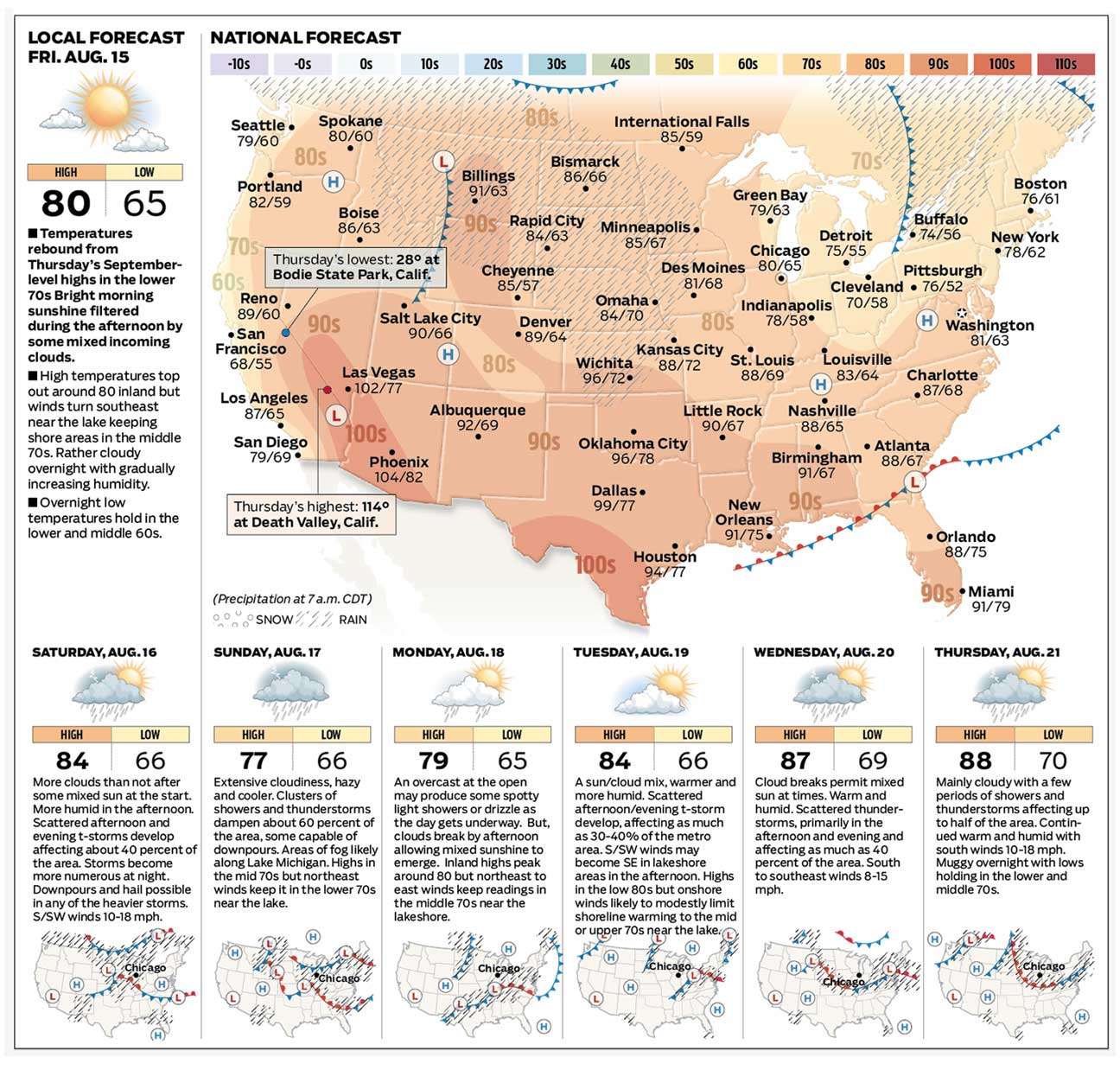
Chicago's weather has been meticulously recorded for over a century, providing valuable insights into the city's climate patterns. Historical data shows that Chicago has experienced significant weather events, including heatwaves, blizzards, and severe thunderstorms. While the overall climate remains relatively stable, there are signs that climate change is beginning to impact the city's weather.
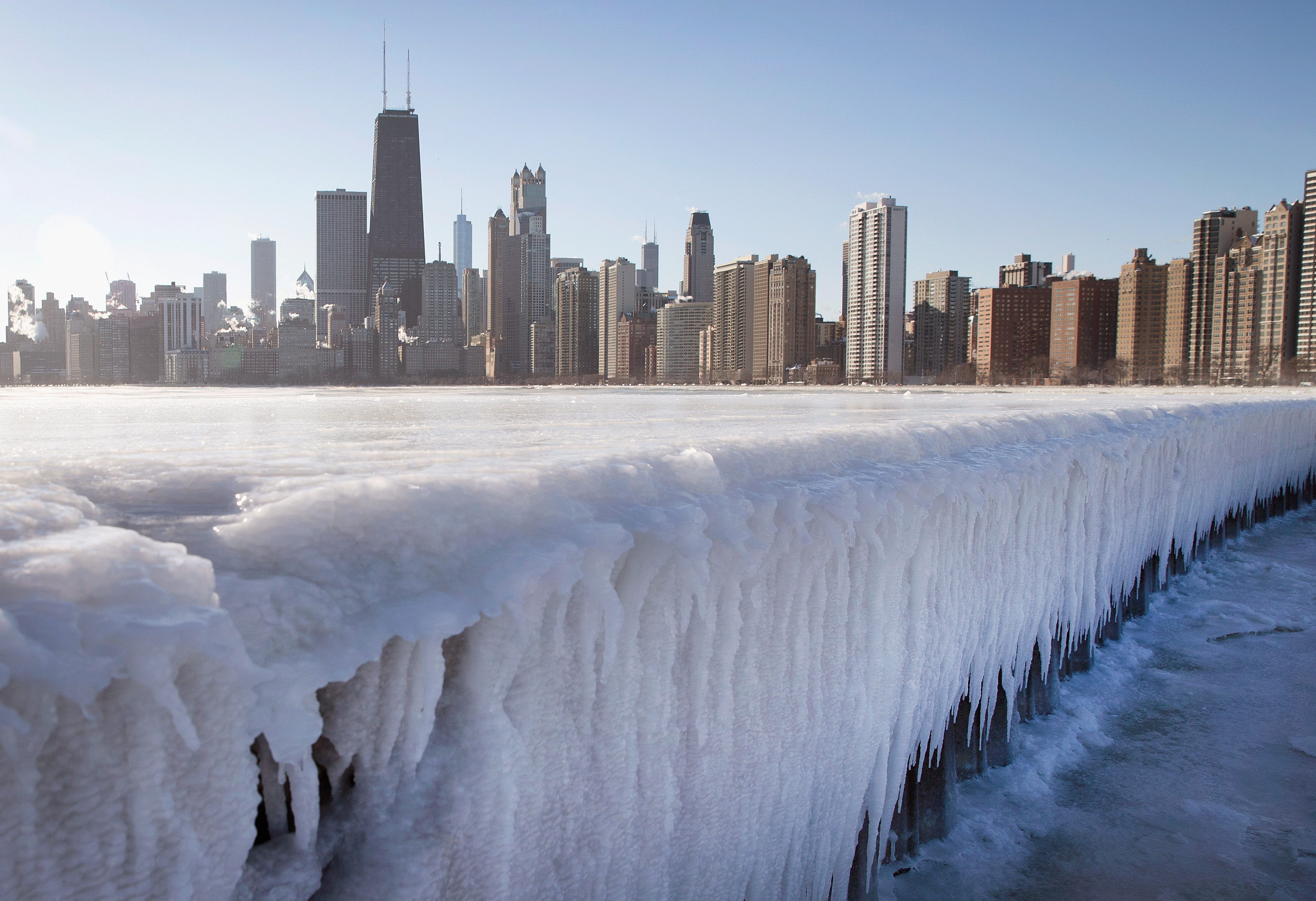
Chicago Winter weather covers the U.S. Pictures CBS News
Winter in Chicago, which lasts from December to February, can be harsh. Temperatures often dip below freezing, with average lows around 20°F (-6°C). Snowfall is common, and wind chills can make the cold feel even more severe. Despite the challenging conditions, winter in Chicago has its own charm, with festive holiday markets and cozy indoor activities to enjoy.
Spring in Chicago typically lasts from March to May. During this season, temperatures gradually rise, and the city begins to awaken from its winter slumber. Average temperatures range from 40°F (4°C) in early spring to 65°F (18°C) by late spring. However, weather conditions can vary significantly, with occasional snowfall in early spring and thunderstorms becoming more frequent as the season progresses.
Climate change is having a measurable impact on Chicago weather. Rising global temperatures are contributing to more frequent and intense heatwaves, heavier rainfall events, and changes in seasonal patterns. These shifts are likely to continue in the coming decades, presenting new challenges for the city's infrastructure and residents.
Understanding the Windy City's weather patterns is crucial for anyone planning to spend time in Chicago. From packing the right clothing to timing your visit to avoid extreme weather, knowledge of Chicago's climate can significantly enhance your experience. In this section, we'll provide an overview of what you can expect from Chicago weather throughout the year.
This comprehensive guide will delve into the intricacies of Chicago's climate, offering valuable insights for anyone interested in understanding the Windy City's weather patterns. From seasonal variations to historical weather data, we'll cover everything you need to know to prepare for your visit or simply appreciate the complexity of Chicago's environment.
For example, the frequency and intensity of extreme weather events have increased in recent years. Heatwaves are becoming more common, and the city is experiencing more intense rainfall events. These trends are consistent with global climate patterns and highlight the importance of understanding how climate change may affect Chicago weather in the future.
The Blizzard of 1979 is often cited as one of the worst winter storms in Chicago's history. Snowfall totals reached 20 inches (51 cm), and wind gusts of up to 50 mph (80 km/h) created treacherous conditions across the city. The storm brought Chicago to a standstill, highlighting the challenges of coping with extreme winter weather.
Summer in Chicago, which spans from June to August, is characterized by warm, humid weather. High temperatures often reach 85°F (29°C) or higher, with heatwaves occasionally pushing the mercury into the triple digits. Thunderstorms are common during this time, providing much-needed relief from the heat. Despite the humidity, summer is a popular time to visit Chicago, as the city hosts numerous outdoor festivals and events.
Chicago weather is as diverse as the city itself. Located in the Midwest region of the United States, Chicago experiences four distinct seasons, each with its own unique characteristics. The city's climate is classified as humid continental, meaning it features warm, humid summers and cold, snowy winters. This diversity makes Chicago weather both challenging and exciting for residents and visitors alike.